Soulmate Sketch Case Studies: Real Stories and Lessons
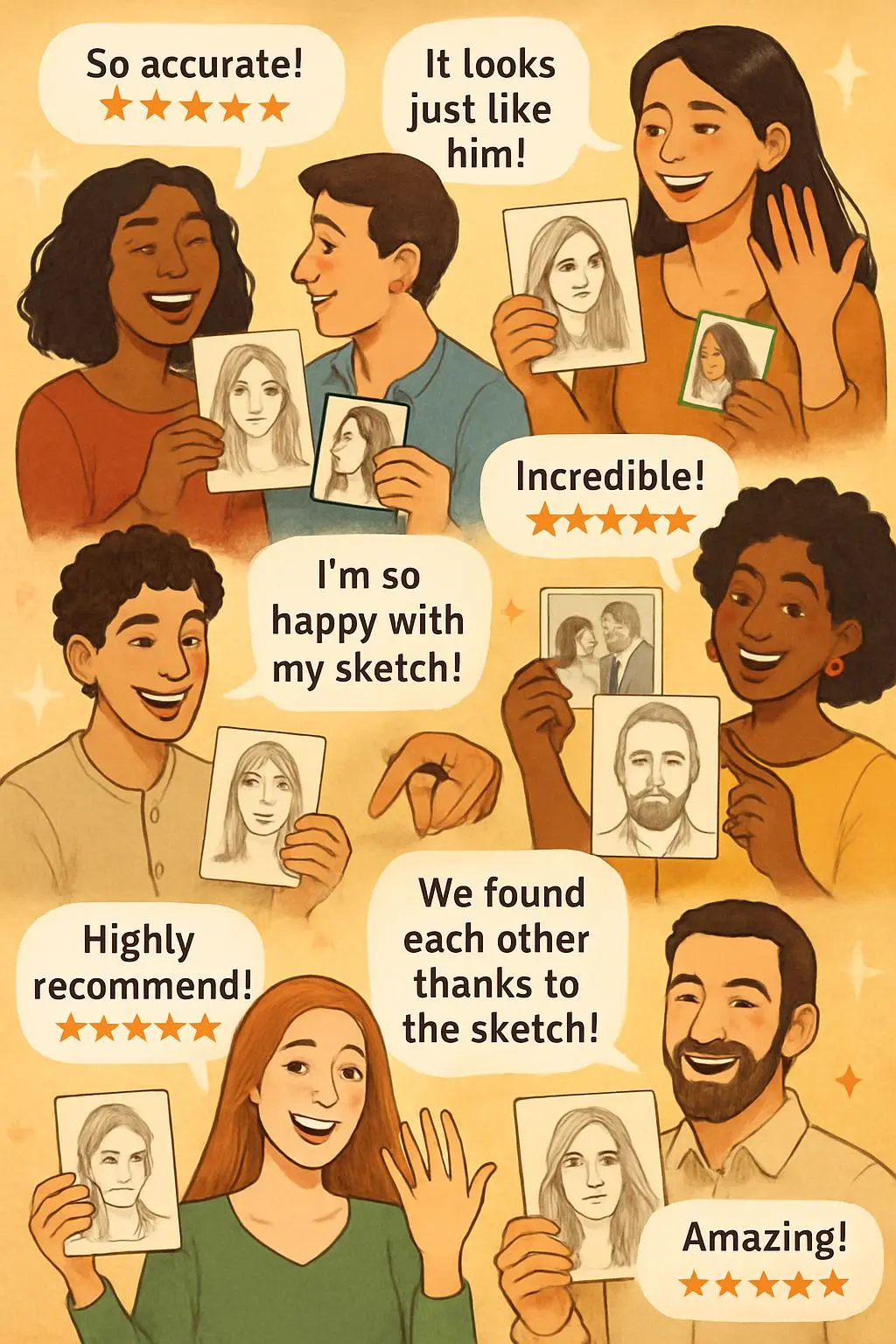
Case studies help explain how people interpret sketches, what they notice first, and how recognition unfolds over time. These are anonymized, but each reflects a common pattern clients describe.
Case Study 1: The Immediate Recognition
Scenario: A client received a sketch with a distinctive eye shape and a soft, asymmetric smile. She mentioned it felt “familiar” before she could explain why.
- Recognition happened within three months at a friend’s birthday dinner.
- She noticed the same eye shape and a similar posture.
- The reading emphasized warmth, humor, and steady energy.
Lesson: Recognition often starts with energy and expression rather than exact facial detail. This aligns with what we explain in Soulmate Sketch Accuracy Rate.
Case Study 2: The Slow Reveal
Scenario: Another client felt unsure at first. The sketch showed someone with a relaxed, artistic vibe, but she kept meeting people who didn’t match the image.
- Features aligned after she changed jobs and joined a local art group.
- The person she met didn’t match every detail, but the overall energy did.
- The reading’s values (creativity, patience, groundedness) were the strongest match.
Lesson: Timing matters. If your environment doesn’t align yet, the sketch can feel “off.” See After the Sketch: What to Do Next for ways to create opportunities.
Case Study 3: The Symbolic Clues
Scenario: The sketch included a subtle background symbol of water. The client didn’t think much of it until she relocated near the coast.
- She met her partner while relocating for work.
- Symbolic cues felt more relevant than facial details.
- The reading mentioned “movement” and “new surroundings.”
Lesson: Symbolism can matter. If you want to decode these clues, read Decoding Soulmate Symbols.
Patterns Across Case Studies
- Recognition usually starts with feeling and energy.
- Action creates opportunity (new groups, new routines, new places).
- The reading provides context that a photo alone can’t.
Curious what’s included with your sketch package? See What You Receive with a Soulmate Sketch and Soulmate Sketch Delivery Time.
Case Study 4: The Quiet Match
Scenario: A client expected a dramatic, instant connection. Instead, she met someone who felt calm, steady, and “easy to be around.” The sketch showed a relaxed expression and soft gaze—details she initially overlooked.
- Recognition grew over several weeks of slow, consistent interaction.
- The reading emphasized patience and emotional safety.
- The client realized she was drawn to stability, not intensity.
Lesson: Sometimes your soulmate energy feels peaceful rather than exciting. That’s still a match.
How to Use These Case Studies
Case studies are not guarantees. They’re patterns to help you interpret your own experience with less anxiety and more clarity.
- Notice how action and timing mattered in every story.
- Focus on emotional recognition before physical perfection.
- Use the reading to guide your choices, not to replace them.
If you want to ground your expectations, read Are Soulmate Sketches Real?.
If You Haven’t Met Them Yet
That’s normal. Many people meet their match months later, especially after a lifestyle change or new routine. Use the sketch to guide your decisions, not to create pressure.
A good next step is After the Sketch: What to Do Next for practical actions.
Staying open and curious usually helps more than forcing a timeline.
Remember, case studies are snapshots, not deadlines. Your timeline can be unique and still fully aligned.
Use them as inspiration, not as a checklist you must follow.
The best outcome usually comes from a calm, open approach.
That openness is a consistent theme across success stories.
It helps you notice the right cues sooner.
Stay gentle with yourself.
Ready for Your Soulmate Sketch?
Connect with Psychic Luna to receive your personalized sketch and reading within 24 hours.
Order Your Sketch
About Psychic Luna
Luna Martinez is a certified psychic artist with over 10 years of experience. She has helped more than 50,000 people find love through her gifted ability to visualize soul connections. Her unique blend of artistic talent and intuitive insight provides clarity and hope to seekers worldwide.
Explore the Complete Guides
Want the full picture? Start with the pillar guides that cover soulmate sketch and soulmate drawing from start to finish.